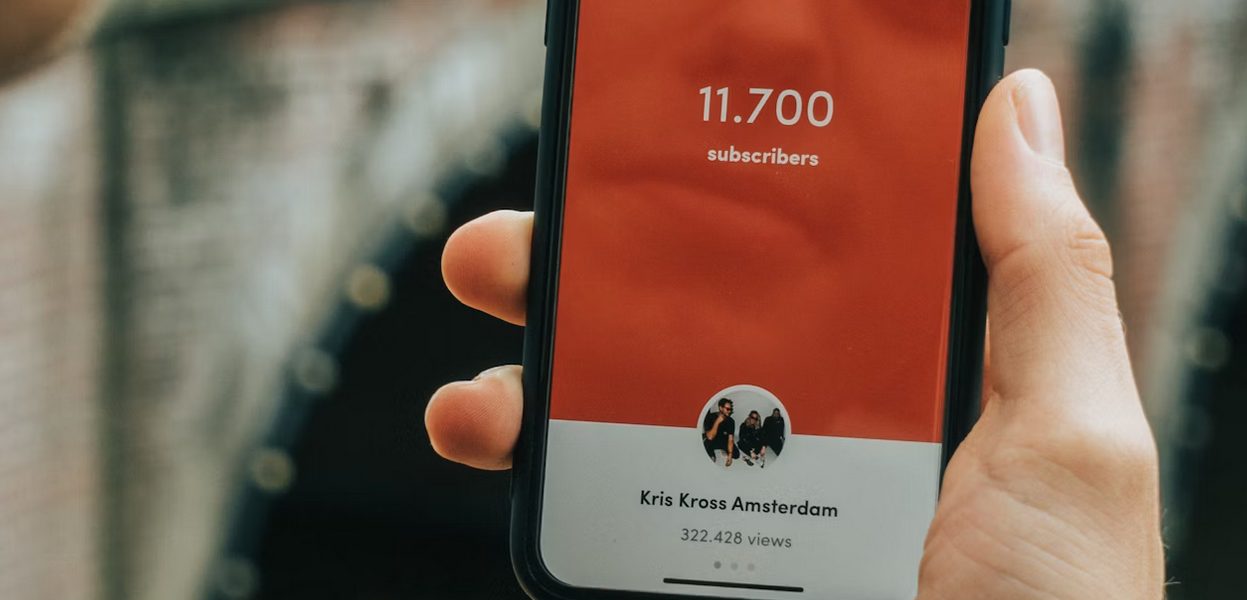
The demand for quick online growth has fueled a shadow market for fake subscribers. Creators and businesses often see it as a shortcut to credibility. Many even search for how to buy YouTube subscribers, believing it will provide instant results. On the surface, the exchange seems simple: pay a fee and receive a boost in numbers. What many overlook are the hidden cybersecurity threats tied to this practice. Behind the promise of fast growth lie risks like malware, phishing, and data theft. These dangers do more than damage reputations. They can compromise entire systems.
How Malware Finds Its Way in
One of the most common risks in the subscriber market is malware. Some sellers package harmful software within downloads or hidden links. A creator may think they are purchasing access to subscribers, but instead, they are installing code designed to exploit their devices. Malware can run silently in the background. It may steal passwords, monitor activity, or even give outsiders control over files. The short-term gain of fake numbers is never worth exposing sensitive systems to these silent invaders.
Why Platforms Struggle to Stop It
Major platforms like YouTube, TikTok, and Instagram invest heavily in detection systems. They track unusual spikes in activity, suspicious login attempts, and patterns of fake engagement. Yet the subscriber market persists. Sellers constantly adapt, using proxies, bots, and cloud servers to stay ahead. This cat-and-mouse game makes it difficult to eliminate the problem entirely. Buyers may believe they are safe because a service appears to work. In reality, the infrastructure behind these operations often hides malicious intent.
The Danger of Data Theft

Data theft represents one of the most damaging outcomes of dealing with fake subscribers. Attackers use access to accounts and devices to collect valuable information. This may include financial records, private conversations, or business strategies. Once stolen, the data can be sold, leaked, or used for blackmail. For creators and companies, a breach of this kind can destroy trust with audiences and partners. Restoring credibility after such an incident is a long and difficult process.
Phishing Scams Disguised as Services
Phishing has become another widespread threat. Many fake subscriber vendors build professional-looking websites that imitate real marketing platforms. They ask for login details, payment information, or personal data under the guise of delivering subscribers. Once entered, this information goes directly into the hands of cybercriminals. Victims may not realize they have been compromised until accounts are locked, payments are stolen, or identities are misused. Phishing thrives in this market because buyers often overlook security in their rush for quick results.
The Cost Beyond Money

The financial cost of fake subscribers is only the beginning. Once malware infects a device or phishing succeeds, recovery expenses multiply. Time, resources, and reputation all suffer. Audiences notice when engagement seems artificial. Brands and partners question credibility. In some cases, accounts are suspended or permanently banned. The price of shortcuts ends up far higher than the original payment. These consequences highlight why security should be the utmost priority when operating online.
Protection Against Threats
Avoiding these risks requires awareness and caution. The most effective protection is never to engage with the subscriber market in the first place. Authentic growth may take longer, but it keeps systems safe and credibility intact. For those already exposed, cybersecurity measures are essential. Strong passwords, multi-factor authentication, and updated antivirus tools can limit the damage. Creators must treat their accounts as assets worth protecting. Taking steps to secure them ensures sustainability in the long run.
The subscriber market thrives on the desire for quick results. But real progress comes from authentic engagement. Unique content, consistency, and genuine interaction with audiences build trust. Platforms reward creators who focus on real people rather than inflated numbers. While the temptation of shortcuts will always exist, the smarter path is clear. By prioritizing authenticity and security, creators avoid the traps of malware, phishing, and data theft. In a digital environment where credibility defines success, protecting it is not optional. It is essential.