Instagram is a platform built on data. Every post, story, and interaction feeds into metrics that shape how content performs. For creators and brands, tracking engagement is essential. Likes, comments, saves, and shares give insight into what works and what doesn’t. But what happens when you buy likes? It may seem like a shortcut to success, and many turn to the best places to buy Instagram likes in hopes of gaining traction. However, it can distort data in ways that make it harder to grow sustainably. This article explores how purchased engagement affects analytics tools and why it matters for anyone serious about performance.
What Engagement Metrics Actually Measure
Engagement metrics go beyond counting likes. Tools look at a range of signals, such as how long users spend on a post, whether they interact with it, and if they return later. Comments, shares, and saves carry more weight than likes alone. Analytics platforms whether Instagram’s built-in Insights or third-party dashboards track these behaviors to help users make informed decisions. When the data is clean, the feedback is reliable. But when likes are purchased, the results can be misleading. That impacts everything from content strategy to campaign success.
Data Stream Distortion

Buying likes introduces artificial data into your profile. These likes rarely reflect genuine interest. Most come from bots or inactive accounts. When this happens, analytics tools still count the numbers, but the context is missing. For example, a post might receive 5,000 likes but generate only a few comments and no shares. This imbalance signals low-quality engagement. The tools may still report a high engagement rate, but that figure won’t help you make smart choices. The metrics become noise rather than insight.
Misleading Growth Reports
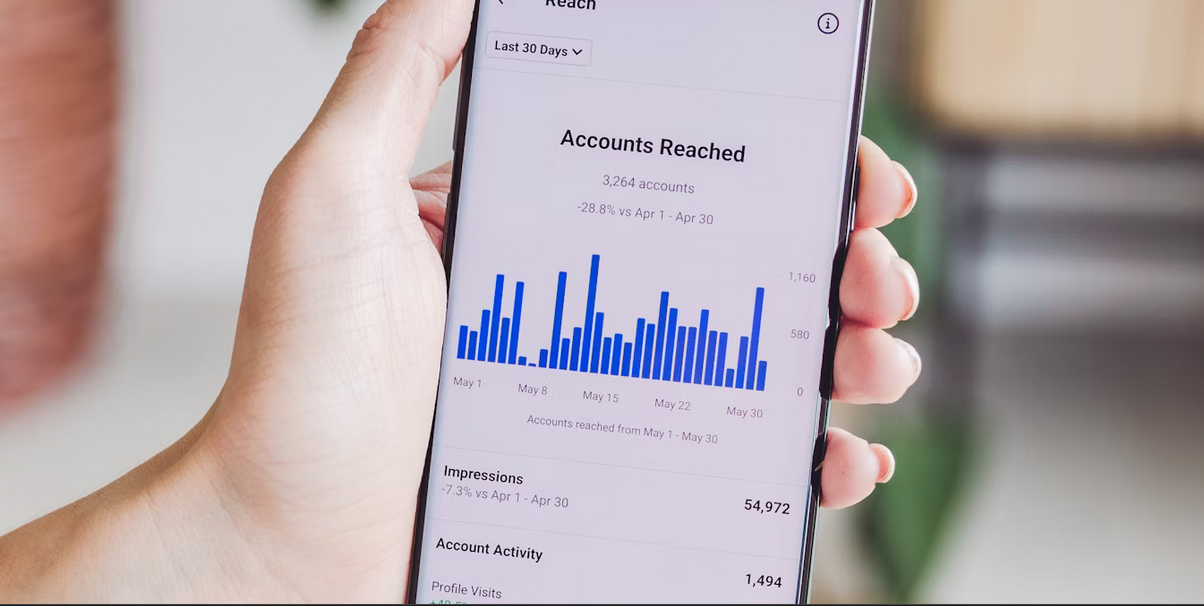
Analytics tools often present growth trends over time. They show which posts are driving followers, where engagement is rising, and what content is generating interest. When likes are purchased, these trends can appear stronger than they are. You may think a certain type of post is effective because it performs well on the surface. But if the likes are bought, the tools don’t tell you how real users actually responded. This false sense of progress can lead to repeated mistakes and wasted effort.
How Algorithms Respond to Skewed Metrics
Instagram’s algorithm tracks patterns in engagement. It tries to show users content that others find meaningful. When fake likes inflate a post, the algorithm may initially boost its reach. But once it detects a lack of supporting engagement no comments, saves, or follow-through the algorithm adjusts. This can lead to reduced exposure over time. Analytics tools might show a dip in impressions and discovery, even if likes remain high. That drop reflects the algorithm-correcting course. It learns that the post didn’t genuinely resonate, despite the appearance of popularity.
Campaign Performance and ROI Tracking

For businesses, accurate analytics are crucial for measuring campaign performance. Buying likes may temporarily inflate a post’s visibility, but it skews conversion metrics. If you’re running ads or sponsored content, this matters. Analytics tools track clicks, conversions, and user behavior after engagement. When engagement isn’t real, these tools lose value. It becomes impossible to know if a campaign succeeded or failed based on actual user interest. That breaks the link between performance and strategy, making future planning harder.
The Problem With Audience Quality
Analytics tools don’t just track post performance. They also analyze your audience. When you buy likes, those likes often come from accounts that don’t match your target demographic. That affects tools that study follower location, age, behavior, and interests. This makes it harder to tailor content. It can also affect ad targeting if you rely on Instagram to build lookalike audiences or suggest audiences based on current followers. Buying likes damages the data foundation these tools need to do their job effectively.
The core issue with buying likes is not just ethical it’s practical. Clean data leads to smarter strategy. It allows you to test ideas, refine content, and track meaningful progress. When the numbers are real, the insights are useful. In contrast, artificial engagement blocks real learning. It reduces trust in your tools and complicates your path forward. For creators, marketers, and brands, the goal should be clarity. That only comes from honest, organic engagement that reflects your unique audience.